Sciatica can make everyday life frustrating. Pain that starts in the low back or hip and travels down the leg can affect the way you sit, stand, walk, sleep, and work. For some people, it feels sharp and electric. For others, it shows up as burning, numbness, tightness, or a constant ache that never seems to fully go away. At Rolfing Insight in Rockville, MD, Thom Shenk, Certified Advanced Rolfer®, helps clients from North Bethesda, Bethesda, Great Falls, and across Montgomery County address the strain and structural imbalance that often contribute to sciatic discomfort.
If you have been searching for a solution that looks beyond the painful area alone, Rolfing® offers a whole-body approach. Rather than focusing only on symptoms, this work considers how your posture, movement habits, fascia, and overall structure may be affecting the tension patterns around the low back, pelvis, hips, and legs.
What Sciatica Often Feels Like
Sciatica is a term people commonly use when pain, numbness, tingling, or tightness radiates from the lower back or hip area down through the leg. It may be constant or come and go. It may worsen when sitting for long periods, bending, lifting, driving, or even after exercise. Some people notice that one side feels compressed, unstable, weak, or hard to trust.
Even when the pain seems centered in one area, the pattern behind it is often more complex. Tension through the pelvis, restricted movement in the hips, imbalance through the legs, and chronic compression in the lower body can all influence how the body handles load and movement.
How Rolfing® May Help with Sciatica Relief
Rolfing® is a form of structural integration that works with the fascia, the connective tissue network that surrounds and supports muscles, bones, nerves, and organs throughout the body. When the body adapts to stress, injury, repetitive habits, or poor movement patterns, it can create chronic strain and compensation. That strain can show up in the lower back, hips, glutes, and legs, which are all areas commonly involved in sciatic pain patterns.
At Rolfing Insight, Thom Shenk works to identify and address the larger structural relationships that may be contributing to discomfort. By improving how the body organizes itself in gravity, Rolfing® may help reduce excessive pull, compression, and tension through the areas associated with sciatica.
This approach may help:
- Reduce tension through the low back, hips, and glutes
- Improve pelvic balance and posture
- Support freer movement through the legs
- Decrease strain caused by compensation patterns
- Improve comfort while sitting, walking, and standing
- Help the body move with more support and less effort
For many people, the value of Rolfing® is that it does not stop at where the pain is felt. It looks at why the body may be under stress in the first place.
Why Sciatica Keeps Coming Back
Sciatica often returns because the painful pattern has not fully changed. Temporary relief can help, but if the body continues to move and organize itself in a way that creates pressure and imbalance, the discomfort may keep returning.
A rotated pelvis, restricted hips, tight fascia, poor weight distribution, old injuries, repetitive work, and prolonged sitting can all play a role. In many cases, the body has been adapting for years before symptoms become impossible to ignore. Rolfing® helps people see that pain is often part of a bigger structural story. When the whole body is functioning better together, there may be less strain placed on the tissues involved in sciatic pain.
Common Causes of Sciatic-Type Tension and Discomfort
People come to Rolfing Insight from Rockville, North Bethesda, Bethesda, Great Falls, and throughout Montgomery County with sciatic pain patterns caused by a variety of factors, including:
- Prolonged Sitting – Desk jobs, commuting, and sedentary habits can create compression through the hips, pelvis, and low back. Over time, this can contribute to tension and irritation that affects the legs.
- Old Injuries – Falls, sports injuries, lifting injuries, and car accidents may leave behind compensation patterns that continue to affect movement long after the original injury.
- Poor Posture and Structural Imbalance – When the body is not well balanced, certain areas are forced to work harder. This can lead to chronic pull and pressure through the lower body.
- Repetitive Strain – Work demands, exercise routines, and daily habits can reinforce the same movement patterns over and over, especially if the body is already compensating.
Why Clients Across Montgomery County Choose Rolfing Insight
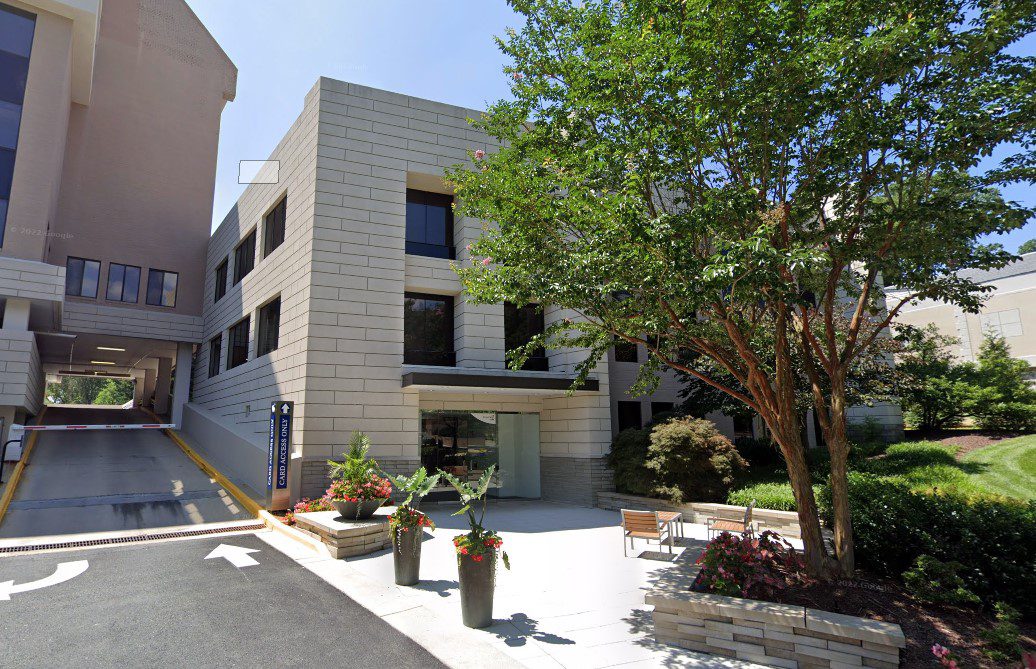
People dealing with sciatica come to Rolfing Insight from Rockville, North Bethesda, Bethesda, Great Falls, Gaithersburg, Silver Spring, and across Montgomery County and the Northern DC area when they’re tired of chasing the same pain pattern without lasting progress. Thom Shenk brings over 30 years of experience and a whole-body approach to structural work. As a Certified Advanced Rolfer® and Rolf Movement Practitioner™ at Rolfing Insight, 5410 Edson Ln, Suite 350, Rockville, MD 20852, he helps clients understand how their whole body is functioning, not just where it hurts.
Instead of forcing the body or masking symptoms, Rolfing® supports more balanced movement and less overall strain. That’s a different approach than most people with chronic sciatica have tried.
What You May Notice After Rolfing®
People often report improvements such as:
- Less tension in the low back and hips
- Greater ease walking and standing
- Better awareness of posture and movement habits
- Improved comfort when sitting for longer periods
- Reduced pull through one side of the body
- A stronger sense of support and balance
Because sciatica can involve a variety of structural and movement factors, every person’s experience is different. What remains consistent is the value of addressing the body as a whole.
Rolfing® as Part of a Bigger Wellness Strategy
At Rolfing Insight, Rolfing® complements other services and wellness practices you may already use. People who’ve tried stretching, exercise, massage, chiropractic care, or other supportive therapies often find that structural integration addresses what those approaches couldn’t fully reach. For clients in Bethesda, North Bethesda, Great Falls, and across Montgomery County who’ve been managing sciatica for months or years, this work often produces a level of change they hadn’t found elsewhere.
Rolfing® can also help with related concerns tied to structural strain, including low back pain, posture problems, neck and shoulder tension, and movement limitations. Looking at the full pattern creates the conditions for more lasting change.
Looking for Sciatica Relief Near Rockville, MD?
If sciatic pain is affecting your daily comfort, movement, or quality of life, it’s time to look at what’s actually driving it. Rolfing® at Rolfing Insight in Rockville, MD helps clients from North Bethesda, Bethesda, Great Falls, and throughout Montgomery County address the deeper structural patterns behind sciatic pain so they can move with more ease and feel more supported.
If you’re dealing with sciatica, many clients start with the Rolfing Ten-Series®, a structured series of sessions that addresses the whole body. You can compare every option on our Rolfing® services in Rockville, MD page and read client reviews of Rolfing Insight from North Bethesda, Bethesda, and across Montgomery County.
Contact Thom to Schedule Your Session Today!